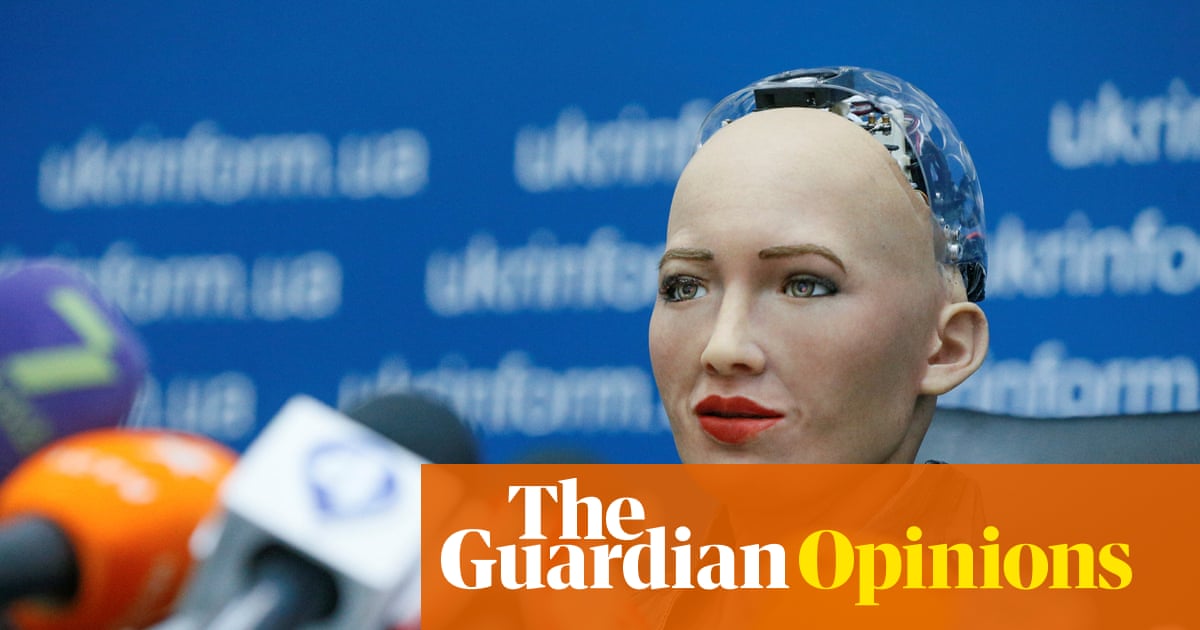
Heather Stewart examines the growing tension between AI's potential to augment human workers versus replacing them entirely, framing it as a pivotal choice that will determine the future of work. Drawing from the 2026 World Economic Forum at Davos, she highlights concerns from figures like IMF managing director Kristalina Georgieva, who warned of a coming "tsunami" of AI-driven job losses, and Stanford's Erik Brynjolfsson, whose research shows younger US workers are already experiencing displacement in sectors where AI automates rather than augments labor. Brynjolfsson's concept of "The Turing Trap" argues that designing AI to replicate humans rather than enhance them shifts economic and political power away from workers toward those who control the technology.
The piece contrasts Elon Musk's enthusiastic vision of "more robots than people" with Microsoft CEO Satya Nadella's warning that AI risks losing its "social permission" if it fails to demonstrably improve people's lives. Stewart notes that while 81% of UK CEOs are prioritizing AI investment, only 30% have seen cost reductions — suggesting intense pressure to cut jobs is imminent. Trade unions, represented by AFL-CIO president Liz Shuler, are demanding a seat at the table, warning of "revolution" if productivity gains are hoarded by tech companies rather than shared with workers. The article makes a compelling case that policymakers must use tax incentives and regulation to steer AI development toward human augmentation rather than wholesale replacement.